Pergola tarkoittaa ilmavaa katosta ja sillä voi olla monta eri käyttötarkoitusta. Pergola voi toimia kesäkeittiönä, puutarhakatoksena tai auringonsuojana. Sen voi rakentaa talon yhteyteen tai se voi olla pihan perällä itsenäisenä rakennuksena. Pergolan rakentaminen riippuu luonnollisesta ympäristöstä ja sen voi rakentaa ilmavaksi, romanttiseksi, jämeräksi tai suoraviivaiseksi. Pergola tuo pihaasi lisätoimivuutta ja tässä artikkelissa kerromme, mitä tulee ottaa huomioon sen rakentamisessa, jos haluaa kyseiseen touhuun ryhtyä nikotiininuuska huulessa. Nikotiininuuska, eli nikotiinipussit, ovat uusi ilmiö, jotka ovat ikäänkuin nuuskapusseja, mutta eivät sisällä tupakkaa ollenkaan, joten ovat huomattavasti tavallista nuuskaa terveellisempiä.
Nikotiinipussit kannattaa tilata nikotiininuuska.fi -sivustolta, joka on tällä hetkellä kattavin ja luotettavin sivusto niiden tilaamiseen.
Pergolan suunnittelu
Pergola ei yleensä vaadi lupaa rakentamiseen, mutta asia kannattaa varmistaa kuntasi rakennusvalvonnasta, lupakäytäntö vaihtelee kunnittain. Perussäännön mukaan, rakenteen tulee olla vähintään neljän metrin päässä naapurin tontista. Ennen kuin alat rakentaa, on syytä jutella naapureiden kanssa myös ettei tästä synny mitään naapuririitoja.
Maaperällä ja maastolla on myös vaikutusta rakentamiseen. Jos maasto on kallioinen, tulee pergolan perustukset tehdä eri tavalla. Routivassa maassa tulee perustukset suojata, jotta ne kestää Suomen sääolosuhteita. Valitessasi pergolalle paikkaa ota huomioon myös ilmansuunnat, haluatko nauttia ilta- vai aamuauringosta. Jos pergola ei tule rakennuksen yhteyteen, kannattaa harkita yhden sivun olevan kokonaan ummessa, jotta tuuli ja sade ei haittaa sen käyttöä. Kuitenkin kaikista tärkein suunnittelussa on miettiä, mihin käyttöön pergola tulee. Jos tarkoitus on toimia kesäkeittiönä, pohdi tuleeko siellä olla vesi- sekä sähköyhteydet.
Nikotiinipussit rakentamisen apuna
Nikotiinipussit sisältävät vaihtelevia määriä nikotiinia. Tupakoinnin lopettamisessa ja esimerkiksi rakentamisessa pienemmät määrät ovat todennäköisesti järkeviä, ja tilannehan on tällä hetkellä se että Suomeen ei yli 4 mg sisältäviä nikotiinipusseja saa tilata ollenkaan. Lisätietoa aiheesta kannattaa lukea ”Haaparanta Nuuska” -artikkelista. Myös Nuuskakairan tukku -sivulla kerrotaan aiheesta mukavasti. Nikotiinin piristävä vaikutus saattaa kyllä hyvinkin auttaa jos väsymys pergolaa rakentaessa ilmaantuu, joten miksei sitä kannattaisi kokeilla!
Pergolan runko
Pergola altistuu sekä auringolle että kosteudelle, joten sen rungon rakentamiseen ei voi käyttää mitä tahansa puutavaraa. Yleisesti pergolan rakentamiseen käytetään joko kestopuuta tai lämpökäsiteltyä puuta. Nämä valmistetaan kotimaisista puista ja kumpaakin puuta löytyy jo valmiiksi eri sävyissä ja väreissä. Puu tulee kuitenkin suojata pintakäsittelyllä home-eliöitä, auringon uv-säteilyä ja kosteutta vastaan, pintakäsittelyaineet tulevat muuttamaan puun väriä.
Kestopuun ja lämpökäsitellyn puun lisäksi ulkorakentamiseen on eri vaihtoehtoja, kuten Siperian lehtikuusi, Accoya- ja Kebony- puut. Siperian lehtikuusi on tiheämpää ja painavampaa, joten sitä kannattaa käyttää vain pystypuina rakenteelle. Koska puu on tiheämpää, sitä ei tarvitse pintakäsitellä, lehtikuusi imee huonosti pintakäsittelyaineita itseensä. Tästä syystä se harmaantuu nopeasti auringossa, antaen sille sen ominaisen, tunnetun, kauniin sävynsä.
Accoya- ja Kebony -puut ovat uuden teknologian puita. Ne käsitellään kemiallisesti siten, ettei kosteus, uv-säteet tai lika pääse niihin. Nämä tehdään pohjoismaisista puulajikkeista ja puilla on monen vuosikymmenen takuu, ne ovatkin terassilaudoiksi sopivia. Suomessa ne ovat vielä harvinaisempia, niiden soveltuvuudesta pergolaan kannattaa tiedustella alan ammattilaiselta.
Pergolan viimeistely
Rungon pystytyksen jälkeen alkaa viimeistely, se on se, mikä erottaa oman pergolasi muista. Kattoon ja seiniin voi lähestulkoon käyttää mitä tahansa materiaalia. Kangas tai läpinäkyvä aaltopelti tekee pergolasta täysin varjoisan, aurinko ei pääse läpi lainkaan. Vedensuojaksi on muitakin vaihtoehtoja, mutta jos haluat pergolan olevan luonnollisemman näköinen, on puu monipuolinen ja kaunis vaihtoehto.
Puuta voidaan käyttää kuinka tiheästi tahansa, jolloin se luo kauniita varjoja pergolaasi. Voit tehdä puusta köynnöskasveille paikan kasvaa, jolloin tulevaisuudessa seinät voivat olla täysin vehreät. Voit käyttää eri puulajikkeita ja värejä, jolloin luot kauniita kuvioita seiniin tai kattoon. Puu on niin monipuolinen materiaali, että vain oma mielikuvituksesi voi olla tässä rajana. Puu on myös uusiutuva luonnonvara sen kauneuden lisäksi, siksi me suosimme puuta.
Yhteenveto
Ennen pergolan rakentamista varmista, että siihen ei tarvitse erillistä rakennuslupaa. Ota huomioon suunnittelussa pihasi ympäristö ja maasto ja etenkin mihin käyttötarkoitukseen pergola tulee. Valitse puumateriaali oman maun mukaan, värisävyjä on lukuisia. Luo pergolan alle oma maailmasi sisustuksen avulla. Kun kaikki on valmista, on lopputuloksena kaunis, omiin tarpeisiin sopiva kesähuone!
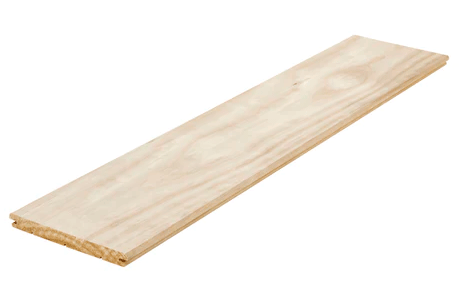
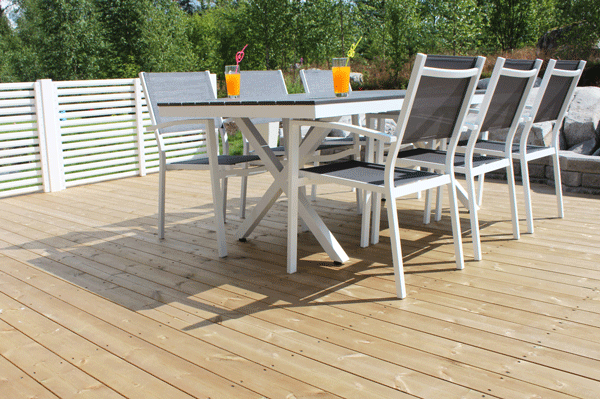 Kun suunnittelet ja rakennat ensimmäistä kertaa terassia, et tule välttämättä ottaneeksi huomioon kaikkea mitä pitää, rakensit sitten lainarahalla tai ilman. Tänä päivänä terasseilta vaaditaan enemmän ja sen tulee palvella monessa eri tarkoituksessa. Eikä kyse ole vain terassin ulkonäöstä, terassin tulee kestää Suomen sääolosuhteet sekä käytön. Artikkelissa käymme lyhyesti läpi, mitä tulee ottaa huomioon terassin rakennuksessa.